|
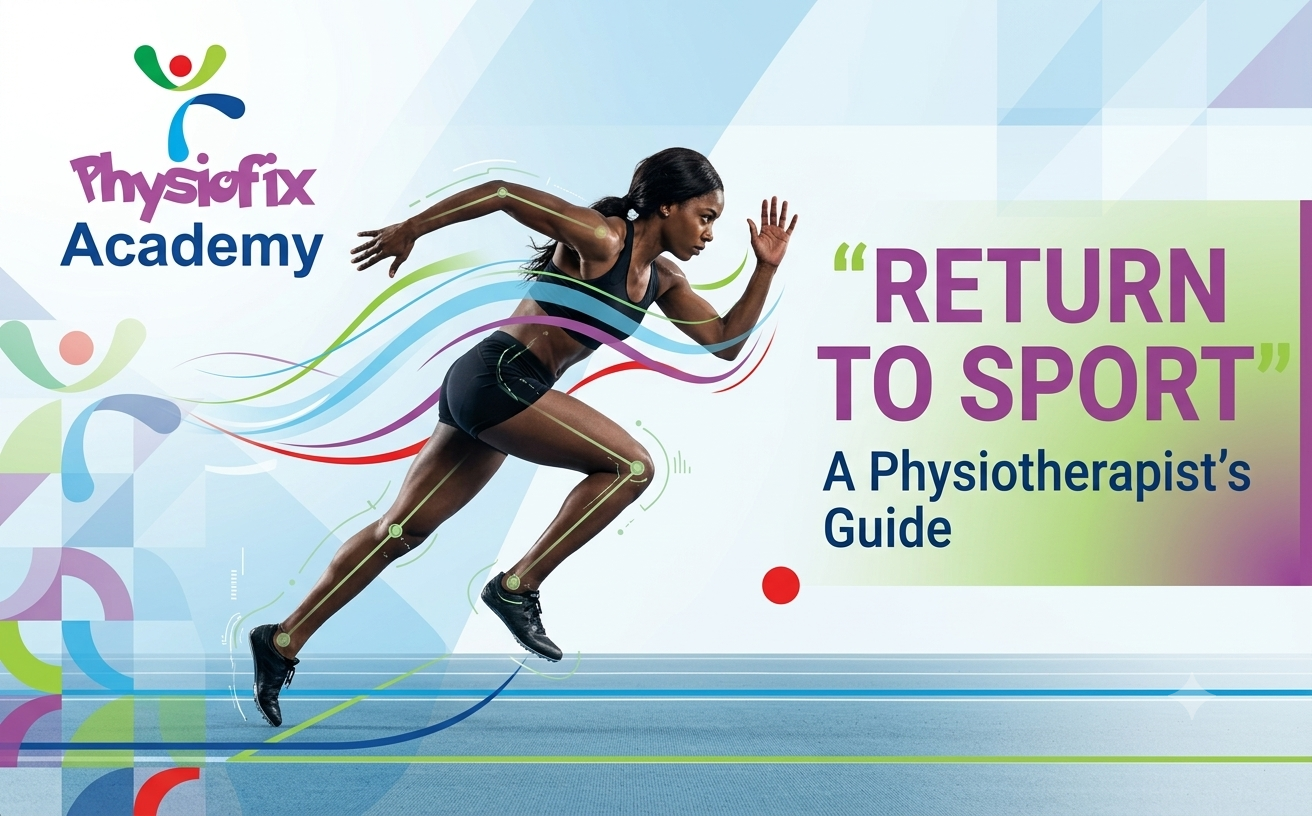
Getting back to sport after an injury can feel like the final step of rehabilitation.
Your pain has improved. You’re moving better. Your strength is coming back.
But does that mean you’re ready to play?
Not necessarily.
Return to sport is more than simply being pain-free. It is a gradual process
of preparing your body—and your mind—for the demands of your sport.
What Is Return to Sport?
Return to sport (RTS) is the process of progressing from
injury and rehabilitation back to sporting activity.
It is better thought of as a journey rather than a single clearance date:
Injury → Rehabilitation → Return to Training → Return to Sport → Return to Performance
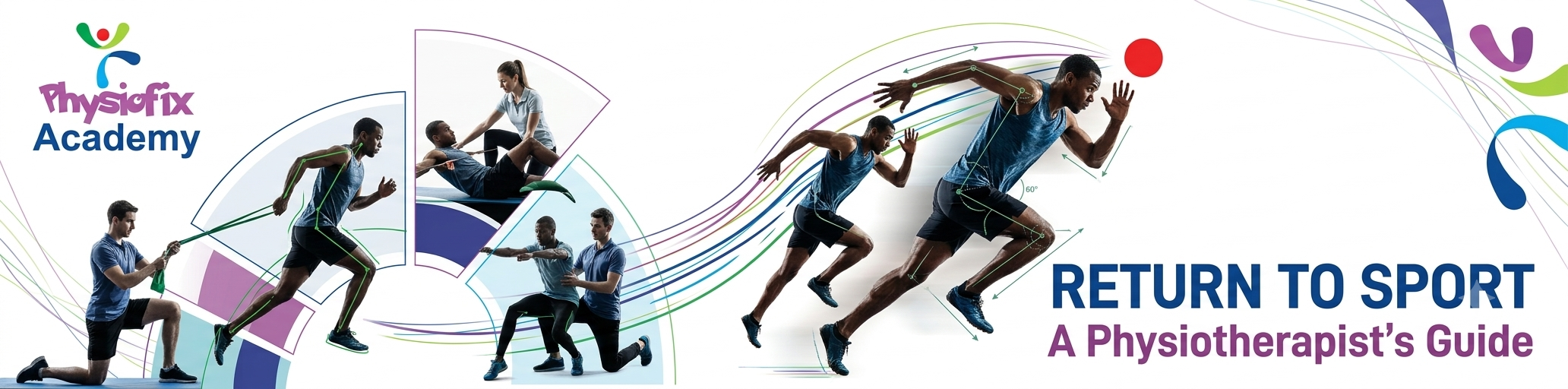
For example, a footballer might progress from gym-based rehabilitation
to running, then football drills, team training and eventually competitive matches.
Each stage prepares the athlete for the next.
Return to Sport vs Return to Performance
These terms are often confused.
Return to participation:
You have started taking part in some sporting activities, often with modifications.
Return to sport:
You can participate in your sport and tolerate its physical demands.
Return to performance:
You have rebuilt the capacity to perform at your previous or desired level.
An athlete can therefore return to competition without being completely
back to their previous performance level.
Why Being Pain-Free Isn't Enough
Pain is important, but it is only one part of the picture.
A basketball player might have no pain during walking or basic exercises,
but basketball also involves:
- Sprinting
- Jumping and landing
- Cutting
- Deceleration
- Contact
- Repeated high-intensity efforts
The body needs to be prepared for these demands before returning to unrestricted sport.
What Does a Physiotherapist Check?
There isn't one test that tells us whether an athlete is ready.
Instead, we look at several areas:
- Symptoms: Is pain, swelling or instability under control?
- Mobility: Has the required range of movement returned?
- Strength: Can the athlete produce and absorb enough force?
- Power: Can they produce force quickly enough for their sport?
- Running & sprinting: Can they tolerate the required speed and volume?
- Agility: Can they accelerate, decelerate and change direction?
- Sport-specific skills: Can they perform the movements their sport demands?
- Confidence: Do they feel psychologically ready?
- Training load: Can they handle progressively increasing demands?
The important point is that these factors are considered together.
Why Sport-Specific Rehabilitation Matters
Every sport places different demands on the body.
A footballer may need to sprint, cut, jump and tolerate contact.
A tennis player may need repeated acceleration, deceleration and lateral movement.
A runner may need to tolerate progressively higher running volume and speed.
Rehabilitation should therefore gradually become more specific to the athlete's
sport as they get closer to returning.
The closer you get to competition, the more your rehabilitation should look like your sport.
What About Fear of Reinjury?
Being physically ready doesn't always mean feeling ready.
An athlete may worry about:
- Reinjuring themselves
- Sprinting
- Changing direction
- Landing
- Contact
- Trusting the previously injured body part
Confidence can be rebuilt through
progressive exposure to increasingly challenging activities.
Is There One Test That Can Clear You?
Usually, no.
You might have excellent strength but still struggle with sprinting.
You might pass a hop test but lack confidence.
You might perform well in a controlled clinic test but struggle when
you're tired or reacting to an opponent.
That's why return to sport should be based on a
combination of physical, functional, sport-specific and psychological factors,
rather than one test or number.
What Happens After You Return?
Returning to sport doesn't mean rehabilitation suddenly stops.
Your body still needs time to adapt to:
- More training
- Higher intensity
- Sprinting
- Jumping
- Contact
- Competition
- Recovery between sessions
A gradual progression from
training → full training → competition
can help bridge the gap between rehabilitation and the demands of sport.
The Bottom Line
Return to sport isn't simply about whether your injury has healed.
It's about whether you are prepared to handle the demands of your sport.
Instead of asking:
“Am I pain-free?”
A better question is:
“Am I ready for what my sport will ask of me?”
Good return-to-sport rehabilitation prepares you not just to
play again, but to progressively build toward
performing again.
If you're recovering from an injury, your return-to-sport plan should be
individualized based on your injury, rehabilitation progress, sport and goals.
A physiotherapist can help guide that progression.
|


Leave a comment