Sangeetha M
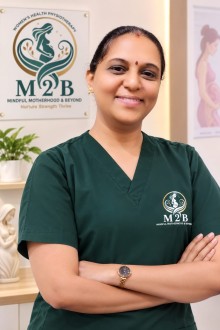
Dr. M. Sangeetha, BPT, MIAP
Women's Health Physiotherapist | Pelvic Floor Rehab Specialist | Certified Pregnancy CoachDr. M. Sangeetha is a dedicated women's health physiotherapist with over two decades of clinical experience and a specialized focus on pregnancy, childbirth, and postpartum care. She holds a Bachelor's degree in Physiotherapy (BPT) and is a member of the Indian Association of Physiotherapists (MIAP).Dr. Sangeetha began her clinical career at PSG Institute of Medical Sciences & Research, Coimbatore, where she was recognized as an overall topper in clinical subjects during her final year of training. She went on to work as a Consultant Therapist at Dr. Neethiarasu Neuro Hospital in Madurai, before continuing her clinical practice at Theiva Nursing Home, where she currently serves.Beyond clinical physiotherapy, Dr. Sangeetha has built a distinguished practice as a Pregnancy Coach and Certified Pelvic Floor Rehab Therapist. Through her venture, M2B – Mindful Motherhood & Beyond, she provides one-on-one coaching and group sessions for expectant and new mothers, guiding them through personalized birth planning, labor support, breathing and positioning techniques, and postpartum recovery. Her practice integrates evidence-based manual therapy and functional rehabilitation with holistic, emotionally supportive care, reflecting her belief in empowering women to make informed decisions throughout their pregnancy and parenting journey.Her credentials include certification as a Pregnancy Coach (Babypedia, ICPEM, Prana Life Design), a Certified Pre- and Postnatal Yoga Therapist (Sri Jeevana Yogashala Arogya Seva Trust, 2023), and a Postgraduate Diploma in Yoga and Holistic Medicine. She has also completed specialized training in antenatal and postnatal fitness through the Ashira Foundation Trust, Bangalore, along with coursework in research methodology and biostatistics from PSG College.
Fluent in English and Tamil, Dr. Sangeetha combines clinical expertise with compassionate, patient-centered care, making her a respected voice in women's health physiotherapy and maternal wellness.